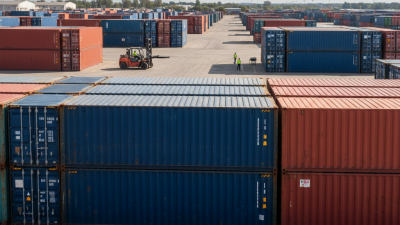
What Is a 40 Foot Storage Container?
A 40-foot storage container is a large, steel-built unit designed to protect goods, equipment, and materials during transport or stationary storage. Under ISO 668 dimensions, a standard model measures about 40 feet long, 8 feet wide, and 8 feet 6 inches high externally. Its internal capacity is usually close to 67 cubic metres, although door frames, wall thickness, and flooring reduce usable space.
That space is substantial.
UNCTAD’s Review of Maritime Transport 2024 confirms that maritime shipping carries roughly 80% of global merchandise trade by volume. This explains why 40 foot storage containers are widely available across ports, construction sites, farms, warehouses, and industrial facilities. Drewry’s Container Forecaster also shows how container demand and fleet availability influence equipment pricing and regional supply.
However, a shipping container is not automatically a perfect storage building. A used unit may have dents, surface rust, worn door gaskets, or a plywood floor marked by years of cargo handling. Condition matters. Ventilation matters too, especially when temperature changes create condensation inside the steel walls.
Standard and high-cube versions offer different advantages. A high-cube container adds approximately one foot of internal height, helping store tall machinery, shelving, or stacked cartons. Site access remains a practical concern. A delivery truck needs firm ground, adequate turning space, and enough overhead clearance.
This guide explains dimensions, capacity, construction, costs, and common applications. It also considers an often-overlooked issue: advertised capacity is not the same as usable storage. Careful inspection and accurate site planning usually prevent expensive surprises.
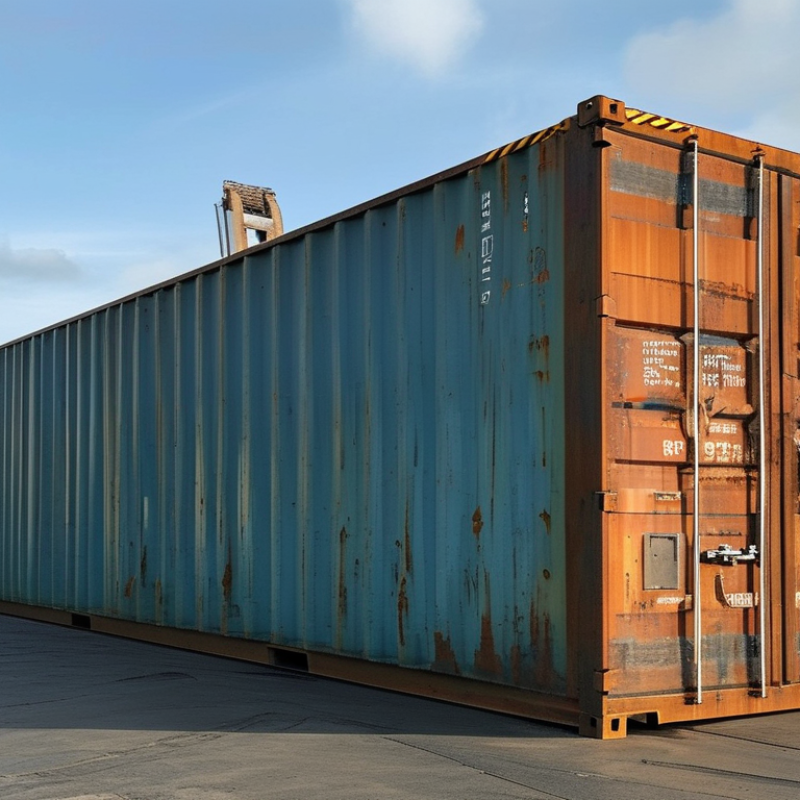
Definition and Purpose of a 40-Foot Storage Container
What Is a 40 Foot Storage Container?
Definition and Purpose of a 40-Foot Storage Container
A 40-foot storage container is a large, weather-resistant steel unit designed for secure storage. It usually measures about 40 feet long and 8 feet wide. Standard models stand 8 feet 6 inches high. High-cube models provide an extra foot of internal height.
Inside, a typical unit offers roughly 2,350 cubic feet of usable space. Exact measurements vary by design and manufacturer. The container can hold furniture, tools, construction materials, equipment, or boxed inventory. Its double doors allow forklifts and pallet jacks to move large loads more efficiently.
In practical storage planning, the floor needs careful attention. A level, firm surface reduces door problems and frame stress. I have found that people often focus on capacity first. That can be a mistake. Access space matters too. A full container becomes difficult to organize without aisles or labeled sections.
Check the roof, door seals, locking bars, and floor before loading. Small defects can become expensive problems. Ventilation may also be necessary when temperature changes create condensation. A simple airflow gap can protect stored materials. Still, ventilation alone cannot control every moisture issue.
Weight distribution deserves attention. Heavy items should stay low and near the center. Uneven loading may make the doors harder to operate. I would also recheck the estimated capacity, because usable space is never perfectly square.
| Data Dimension | Typical Specification or Description | Practical Purpose |
|---|---|---|
| Definition | A reusable, weather-resistant steel container approximately 40 feet long, designed to hold, transport, or store goods. | Provides secure, enclosed space for commercial, industrial, agricultural, construction, and household storage. |
| External Length | 40 feet (12.19 meters) | Allows substantial storage capacity while remaining compatible with standard intermodal transport systems. |
| External Width | 8 feet (2.44 meters) | Provides a standard footprint for placement, loading, and transportation planning. |
| External Height | 8 feet 6 inches (2.59 meters) for a standard-height unit | Suitable where standard access height and transport clearance are required. |
| Typical Internal Dimensions | Approximately 39 feet 5 inches long × 7 feet 8 inches wide × 7 feet 10 inches high (12.03 × 2.35 × 2.39 meters) | Useful for estimating shelving, pallet layouts, equipment placement, and usable floor area. Exact dimensions vary by construction. |
| Approximate Internal Volume | About 2,390 cubic feet (67.7 cubic meters) for a standard-height unit | Offers large enclosed capacity for boxed goods, tools, materials, furniture, and inventory. |
| Door Opening | Typically about 7 feet 8 inches wide × 7 feet 5 inches high (2.34 × 2.26 meters) | Supports loading with pallet trucks, carts, forklifts, and other material-handling equipment, subject to site conditions. |
| Typical Tare Weight | Approximately 8,000–8,800 pounds (3,630–3,990 kilograms) | Important for transport planning, lifting requirements, foundation design, and placement calculations. |
| Maximum Gross Weight | Often up to approximately 67,200 pounds (30,480 kilograms), depending on the container rating | Defines the combined maximum weight of the empty container and its contents; local road limits may be lower. |
| Construction | Corrosion-resistant steel frame and panels with a sealed, lockable cargo area | Helps protect contents from rain, wind, dust, unauthorized access, and normal outdoor exposure. |
| Common Storage Uses | Inventory storage, construction materials, machinery, records, furniture, seasonal items, and agricultural supplies | Creates flexible storage without constructing a permanent building or expanding an existing facility. |
| Security Features | Heavy steel doors, lock rods, and provisions for an additional protected lock | Improves access control and helps deter unauthorized entry when combined with suitable site security. |
| Ventilation | Small passive vents are commonly installed; airflow is limited unless additional ventilation is added. | Helps reduce condensation, but sensitive goods may require moisture control, insulation, or climate management. |
| Placement Requirements | A level, stable surface with sufficient clearance for delivery, door operation, drainage, and routine inspection | Supports safe access, prevents uneven loading, and reduces the risk of standing water or structural stress. |
Standard Dimensions and Interior Capacity
What Is a 40 Foot Storage Container?
Standard Dimensions and Interior Capacity
A standard 40-foot storage container measures about 40 feet long, 8 feet wide, and 8 feet 6 inches high externally. Inside, usable dimensions are usually close to 39 feet 5 inches long, 7 feet 8 inches wide, and 7 feet 10 inches high. These measurements can vary slightly by manufacturer, age, and construction style. The interior volume is approximately 2,350 to 2,390 cubic feet, or about 66.5 to 67.7 cubic meters. That space can hold furniture, boxed inventory, tools, or seasonal equipment.
The floor area is roughly 300 square feet. A standard pallet may fit comfortably, but the loading pattern matters. Door openings are narrower than the internal width, so large items need careful measurement before delivery. Keep heavier objects low and distribute weight across the floor. It improves stability and protects the container structure. In practical storage, the full cubic capacity is rarely usable. Air gaps, protective wrapping, and access paths reduce the working space. A common planning mistake is measuring only the room volume. Measure each item, including handles and packaging. Leave a small aisle when regular access is important. Not every box should be packed tightly. Local handling conditions and container specifications should be checked before final placement.
What Is a 40 Foot Storage Container?
Standard external and internal dimensions of a nominal 40-foot dry storage container.
A standard 40-foot container is approximately 12.192 m long, 2.438 m wide, and 2.591 m high externally. Its usable interior is about 12.032 m long, 2.350 m wide, and 2.393 m high, providing roughly 67.7 m³ (2,390 ft³) of storage capacity. Actual dimensions can vary slightly by manufacturer and container design.
Common Materials, Features, and Door Configurations
What Is a 40 Foot Storage Container?
A 40-foot storage container usually measures about 40 feet long and 8 feet wide. Standard units stand roughly 8 feet 6 inches high. High-cube versions add another foot of interior height. That extra space matters when storing tall shelving, machinery, or stacked cartons.
Most containers use corrosion-resistant weathering steel panels. The steel develops a protective surface, but it is not maintenance-free. Scratches, standing water, and damaged seams can still cause rust. The floor commonly uses thick marine-grade plywood over steel crossmembers. It supports heavy loads when weight is distributed evenly.
One detail I used to underestimate is ventilation. Small vents reduce condensation, especially when temperature changes quickly. They do not replace dry packing materials or regular inspections.
Door configuration changes how easily the container works on site. Standard end doors use locking bars and open across the full width. They suit pallets and forklift access. Double-end, or tunnel, doors allow entry from both sides. This can simplify stock rotation. Side-opening models provide wider access along the container wall, although their hardware needs careful alignment. Some units combine end and side doors.
Check the ground level first. Uneven placement can twist the frame and make doors difficult to close. Measure the delivery route, too; a container may fit the storage area but fail at a narrow gate. Specifications can vary, so confirm internal dimensions, door openings, floor condition, and allowable load before selecting one.
Typical Uses for Storage, Shipping, and Site Applications
What Is a 40 Foot Storage Container?
Typical Uses for Storage, Shipping, and Site Applications
A 40-foot storage container usually measures about 40 feet long and 8 feet wide. Standard models stand roughly 8 feet 6 inches high, while high-cube versions provide extra headroom. They offer about 2,300 cubic feet of interior space. Exact dimensions vary, so confirm the specification before planning shelves or equipment.
For storage, this container can hold furniture, tools, seasonal stock, or building materials. Wooden pallets fit efficiently when the floor remains level and dry. Shelving near the side walls improves access, but it can reduce usable width. A basic inspection should check door seals, floor condition, ventilation, and signs of corrosion. Small leaks become expensive problems.
During shipping, the steel structure protects cargo from weather and repeated handling. Even weight distribution matters. Heavy items should sit low, with gaps secured using approved restraints. Fragile goods need padding and separation from the container walls. A poor loading plan may leave empty space while creating dangerous pressure points.
On construction sites, a 40-foot container can serve as a temporary tool room, material store, or controlled work area. Ground preparation is essential. The container needs stable support, drainage, and enough clearance for door operation. Local planning, fire, lifting, and workplace requirements may also apply. Site conditions change, and the original plan may need revision. That is normal.
Key Factors to Consider Before Choosing One
A 40-foot storage container offers roughly 67 cubic meters of internal space, based on common ISO 668 dimensions. Its external length is about 12.2 meters, while internal width usually stays near 2.35 meters. That narrow footprint matters. Shelving, pallets, and walking space can disappear quickly. According to UNCTAD’s Review of Maritime Transport 2024, the global container fleet reached about 28.5 million TEUs in early 2024. This scale supports standardized dimensions, but individual containers still vary by age, manufacturer, and repair history.
Check the container’s condition before choosing capacity. Inspect the roof from inside during daylight. Thin light lines may indicate pinholes or poor repairs. Open both doors and test the locking bars. The floor should feel firm, without soft patches or chemical odors. A standard unit may carry substantial weight, but its actual payload depends on the plate, floor condition, transport limits, and local site requirements. Do not rely only on advertised volume. Measure twice.
Site preparation is equally important. A loaded container can exceed 30 tonnes in gross mass under common ISO specifications, so compacted ground and suitable supports are essential. Leave clearance for door swing, delivery equipment, and drainage. Temperature changes can create condensation, especially around metal roofs and unventilated walls. Desiccant, raised pallets, and controlled airflow may help, although none replaces proper inspection. I have seen owners select maximum volume, then lose usable space because their loading plan was never measured. That mistake is easy to repeat.
Related Posts
-
How to Choose the Right 40 Foot Storage Containers for Your Needs?
-

How to Choose the Right 40 Foot Storage Containers?
-

2026 Best 20ft Storage Container Options for Global Buyers?
-
Revolutionizing Food Storage with Shipping Container Freezers for Sustainable Business Solutions
-

Best Side Opening Shipping Containers for Global Buyers?
-

Why Choosing One Trip Shipping Containers is the Best Option for Your Business
Get a quote
Get a quote
Read More
Accept AllReject AllCustomise
Privacy Overview
| Cookie | Duration | Description |
|---|---|---|
| cookielawinfo-checkbox-advertisement | 1 year | Set by the GDPR Cookie Consent plugin, this cookie records the user consent for the cookies in the "Advertisement" category. |
| cookielawinfo-checkbox-analytics | 11 months | This cookie is set by GDPR Cookie Consent plugin. The cookie is used to store the user consent for the cookies in the category "Analytics". |
| cookielawinfo-checkbox-functional | 11 months | The cookie is set by GDPR cookie consent to record the user consent for the cookies in the category "Functional". |
| cookielawinfo-checkbox-necessary | 11 months | This cookie is set by GDPR Cookie Consent plugin. The cookies is used to store the user consent for the cookies in the category "Necessary". |
| cookielawinfo-checkbox-others | 11 months | This cookie is set by GDPR Cookie Consent plugin. The cookie is used to store the user consent for the cookies in the category "Other. |
| cookielawinfo-checkbox-performance | 11 months | This cookie is set by GDPR Cookie Consent plugin. The cookie is used to store the user consent for the cookies in the category "Performance". |
| CookieLawInfoConsent | 1 year | CookieYes sets this cookie to record the default button state of the corresponding category and the status of CCPA. It works only in coordination with the primary cookie. |
| viewed_cookie_policy | 11 months | The cookie is set by the GDPR Cookie Consent plugin and is used to store whether or not user has consented to the use of cookies. It does not store any personal data. |
| Cookie | Duration | Description |
|---|---|---|
| _cs_c | 1 year 1 month | The cookie is used by Content Square to save the user consent to be tracked. |
| Cookie | Duration | Description |
|---|---|---|
| _cs_id | 1 year 17 days 20 hours 13 minutes | This cookie is used to store the ContentSquare's user identifier ID. This is a persistent cookie and expires after 13 months. |
| _cs_s | 1 hour | This cookie is used to store the number of page's viewed by a visitor within the session for ContentSquare's solution. |
| _ga | 1 year 1 month 4 days | Google Analytics sets this cookie to calculate visitor, session and campaign data and track site usage for the site's analytics report. The cookie stores information anonymously and assigns a randomly generated number to recognise unique visitors. |
| _ga_* | 1 year 1 month 4 days | Google Analytics sets this cookie to store and count page views. |
| _gcl_au | 3 months | Google Tag Manager sets the cookie to experiment advertisement efficiency of websites using their services. |
| Cookie | Duration | Description |
|---|---|---|
| test_cookie | 15 minutes | doubleclick.net sets this cookie to determine if the user's browser supports cookies. |
| Cookie | Duration | Description |
|---|---|---|
| _cs_root-domain | session | Description is currently not available. |
| _cs_same_site | session | Description is currently not available. |