Top 10 Refrigerated Container Suppliers Worldwide?

Choosing the right refrigerated container supplier is not a simple popularity contest. Global shipping routes, cargo sensitivity, port infrastructure, and service coverage all change the decision.

This guide examines ten leading refrigerated container suppliers worldwide. It considers equipment reliability, temperature control, energy efficiency, fleet availability, remote monitoring, maintenance support, and total ownership cost. A modern refrigerated container may carry berries across oceans, vaccines through unstable climates, or frozen seafood through busy transshipment hubs. Small failures can create serious losses.

Thomas Eskesen, a recognized cold-chain logistics specialist, has emphasized, “The cold chain is only as strong as its weakest link.” That principle remains practical. A reliable unit still needs trained operators, accurate pre-trip inspections, clean power, and disciplined cargo loading. Technology helps. It does not replace experience.

The suppliers discussed here serve different customer needs. Some focus on large shipping lines and worldwide fleets. Others compete through leasing flexibility, specialized equipment, or responsive regional support. Their strengths are not identical.

No ranking is perfect.

A supplier with advanced telematics may not offer the best repair network. Another may provide competitive pricing but limited availability during peak seasons. Buyers should compare quoted specifications with real operating conditions, including ambient heat, voyage duration, cargo requirements, and port delays.

This overview aims to provide a useful, evidence-informed starting point. It also leaves room for doubt, because refrigerated logistics rarely behaves exactly as planned. Supplier performance should be verified through service records, customer references, inspection data, and current market conditions.
Top 10 Refrigerated Container Suppliers Worldwide?

What Are Refrigerated Containers and Why Are They Important?

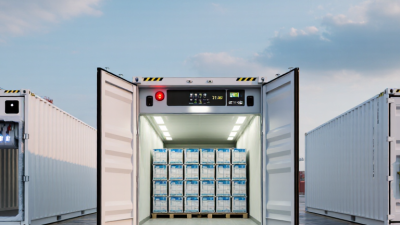
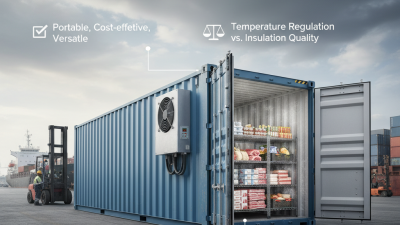
Refrigerated containers, or reefers, are insulated shipping units with built-in cooling systems. They protect temperature-sensitive cargo during port handling, ocean transport, and inland delivery. Typical loads include fruit, seafood, dairy products, vaccines, and other perishable goods. Chilled cargo may require temperatures near 0–5°C, while frozen products often need around -18°C. However, each commodity needs its own validated range.

Their importance is measurable. The FAO’s 2019 State of Food and Agriculture report estimated that 14% of food is lost between harvest and retail. Reliable cold-chain equipment can reduce this loss when loading, storage, and transport procedures work together. UNCTAD’s Review of Maritime Transport reports that maritime shipping carries about 80% of global merchandise trade by volume. That scale makes reefer performance important for food security and international supply continuity.

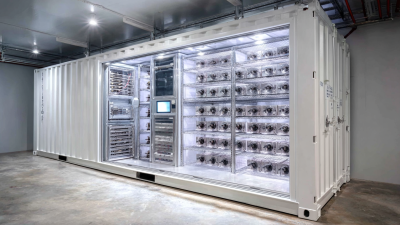
A reefer does more than cool a box. It circulates air, controls humidity in some applications, and records temperature conditions during transit. Modern monitoring can flag power failures or temperature deviations before cargo quality declines. Still, a set point is not a guarantee. The weak point may be poor pre-cooling, blocked airflow, a damaged seal, or delayed inspection. Operators should check calibration records, energy performance, remote alerts, and service coverage when comparing suppliers. Industry reports provide useful benchmarks, but field conditions remain messier than spreadsheets. That deserves attention.

How to Evaluate Global Refrigerated Container Suppliers

When comparing the top ten refrigerated container suppliers worldwide, begin with operating evidence, not polished brochures. Ask for temperature mapping reports, compressor performance data, and recent maintenance records. A reliable supplier should explain how its units perform at 40°C ambient temperatures and during repeated power interruptions. Request a live demonstration if possible. Watch the controller, inspect door seals, and check the internal floor for damage. Small details matter.

Evaluate technical fit against your routes, cargo profile, and port conditions. Check available temperature ranges, airflow design, insulation thickness, power requirements, and remote monitoring options. Confirm whether replacement parts and trained technicians are available near your main loading points. Service response time deserves written terms. A low purchase price can become expensive after one failed sensor or delayed repair. Ask for five-year cost estimates, including energy use, inspections, software, and downtime.

Supplier credibility needs independent proof. Contact current users with similar routes, not only supplied references. Compare warranty exclusions carefully; vague language can hide practical limits. Review quality certificates and test methods, then verify dates and issuing bodies. I would also score communication during a technical disagreement. Slow answers before purchase may become slower after delivery. No evaluation is perfect. Weather, handling, and crew training can distort results, so record assumptions and revisit them after the first season.

Top 10 Refrigerated Container Suppliers Worldwide

Top 10 Refrigerated Container Suppliers Worldwide

The top ten refrigerated container suppliers worldwide are usually judged by cooling reliability, manufacturing quality, and after-sales support. Leading suppliers serve shipping lines, food distributors, pharmaceutical logistics, and cold-storage operators across several regions. Their product ranges often include 20-foot and 40-foot high-cube containers, with temperature control commonly reaching below -25°C.

Experience matters in real operations. A container may face salt air, rough handling, power interruptions, and long port delays. Reliable suppliers provide strong insulation, corrosion-resistant panels, accurate sensors, and accessible spare parts. Some also offer remote monitoring, helping operators check temperature changes before cargo quality suffers. However, no ranking remains perfect. A supplier with excellent equipment may still provide weak service in a distant market.

Tips: Compare total operating cost, not only the purchase price. Check pre-trip inspection procedures, warranty terms, energy use, and technician coverage near your routes. Ask for test records under realistic weather conditions. A unit that performs well in a showroom may struggle in tropical humidity. Confirm whether replacement controllers, doors, and compressors can arrive quickly. Small delays can become expensive. Also, review safety certifications and maintenance instructions carefully. My assessment may overlook regional service differences, so local feedback should influence the final decision.

Top 10 Refrigerated Container Suppliers Worldwide
Rank Supplier Identifier Primary Coverage Typical Reefer Offering Typical Setpoint Range Common ISO Sizes Electrical Input Common Capabilities
1 Global Supplier Profile 01 Worldwide ocean and intermodal markets Integrated refrigerated containers for long-haul shipping Approximately −30°C to +30°C 20 ft, 40 ft High Cube 380–460 V, 3-phase, 50/60 Hz Remote monitoring, data logging, controlled-atmosphere options
2 Global Supplier Profile 02 Asia-Pacific, Europe, and North America High-efficiency marine reefers and cold-chain units Approximately −30°C to +30°C 20 ft, 40 ft High Cube 380–460 V, 3-phase, 50/60 Hz Low-energy operation, temperature alarms, shipment records
3 Global Supplier Profile 03 Global leasing, logistics, and port networks Leased and managed refrigerated container fleets Approximately −25°C to +30°C 20 ft, 40 ft High Cube 380–460 V, 3-phase, 50/60 Hz Fleet tracking, preventive maintenance, cargo monitoring
4 Global Supplier Profile 04 Europe, the Middle East, and Africa Reefer containers for food, pharmaceutical, and chemical cargo Approximately −30°C to +30°C 20 ft, 40 ft High Cube 380–460 V, 3-phase, 50/60 Hz GPS-enabled monitoring, alarm reporting, compliance records
5 Global Supplier Profile 05 North America and Latin America Refrigerated units for inland and maritime transport Approximately −30°C to +30°C 20 ft, 40 ft High Cube 380–460 V, 3-phase, 50/60 Hz Power-management systems, remote alarms, temperature history
6 Global Supplier Profile 06 Asia-Pacific and international shipping routes High-capacity refrigerated containers for perishables Approximately −30°C to +30°C 20 ft, 40 ft High Cube 380–460 V, 3-phase, 50/60 Hz Fresh-air exchange, humidity control, remote diagnostics
7 Global Supplier Profile 07 Europe and selected global trade corridors Specialized reefers for temperature-sensitive cargo Approximately −25°C to +30°C 20 ft, 40 ft High Cube 380–460 V, 3-phase, 50/60 Hz Pharmaceutical monitoring, event logging, alert escalation
8 Global Supplier Profile 08 Middle East, Africa, and South Asia Heavy-duty reefers for challenging ambient conditions Approximately −30°C to +30°C 20 ft, 40 ft High Cube 380–460 V, 3-phase, 50/60 Hz Enhanced insulation, high-ambient operation, remote alerts
9 Global Supplier Profile 09 Worldwide rental and short-term project markets Rental reefers for seasonal and emergency capacity Approximately −25°C to +30°C 20 ft, 40 ft High Cube 380–460 V, 3-phase, 50/60 Hz Rapid deployment, service support, digital temperature logs
10 Global Supplier Profile 10 Regional ports with international partner networks Standard refrigerated containers for multimodal transport Approximately −30°C to +30°C 20 ft, 40 ft High Cube 380–460 V, 3-phase, 50/60 Hz Basic telematics, temperature alarms, service scheduling
Specifications shown are representative industry-standard characteristics for ISO refrigerated containers; actual configurations vary by equipment model, service provider, cargo requirements, and operating region.

How the Leading Suppliers Compare by Products and Services

The top 10 refrigerated container suppliers differ less in basic equipment and more in service depth. Most offer 20-foot and 40-foot reefers, controlled-air systems, and remote temperature monitoring. The practical differences appear during loading, transport, and port delays. Some suppliers provide newer units with quieter compressors and lower energy use. Others compete through larger fleets and faster equipment availability. Ask about temperature ranges, humidity control, insulation condition, and power requirements. A container that reaches -25°C may still perform poorly with damaged door seals.

Service quality often decides the real cost. Strong suppliers provide pre-trip inspections, cleaning records, emergency repairs, and replacement units. Their depot coverage can reduce waiting time after a fault. Compare response commitments, spare-part access, technician training, and monitoring support. Clear data reports also help operators investigate temperature deviations. However, service promises may vary between regions. Request local references and inspect sample maintenance records. No supplier is perfect.

Tips: Build a simple scorecard before requesting quotations. Give products and services separate ratings. Check a unit’s interior floor, drain, door gasket, controller, and alarm history. Confirm who pays for power, inspections, repairs, and damaged cargo. Test the monitoring dashboard with a simulated alert. A low rental price can hide slow support or limited depot access. Recheck assumptions after the first shipment.

How to Choose the Right Refrigerated Container Supplier

Choosing the right refrigerated container supplier requires more than comparing daily rental rates. According to the 2024 UNCTAD Review of Maritime Transport, shipping carries over 80% of global trade by volume. That scale makes equipment reliability and port support commercially important. Check whether containers meet ISO 1496-2 requirements and valid CSC safety standards. Ask for recent inspection records, pre-trip inspection procedures, and documented temperature calibration.

Temperature performance needs evidence. The FAO’s State of Food and Agriculture report estimates that 13.2% of food is lost between harvest and retail. Weak refrigeration can increase that risk. A capable supplier should provide temperature ranges, airflow specifications, humidity options, and alarm histories. Remote monitoring is useful, but only when someone responds quickly. Request sample data from a real shipment, not just a sales presentation. Small details matter, such as cable condition, door-gasket wear, and drain cleanliness.

Service coverage may decide the outcome. Review spare-parts availability, technician response times, depot locations, and emergency procedures near your trade lanes. Energy efficiency also deserves attention, since the International Maritime Organization continues to push shipping toward lower emissions. A modern unit may reduce operating costs, but actual savings depend on cargo, climate, and maintenance. No supplier is perfect. I would test two or three units before signing a large contract, because a clean specification sheet cannot reveal every failure at sea.